
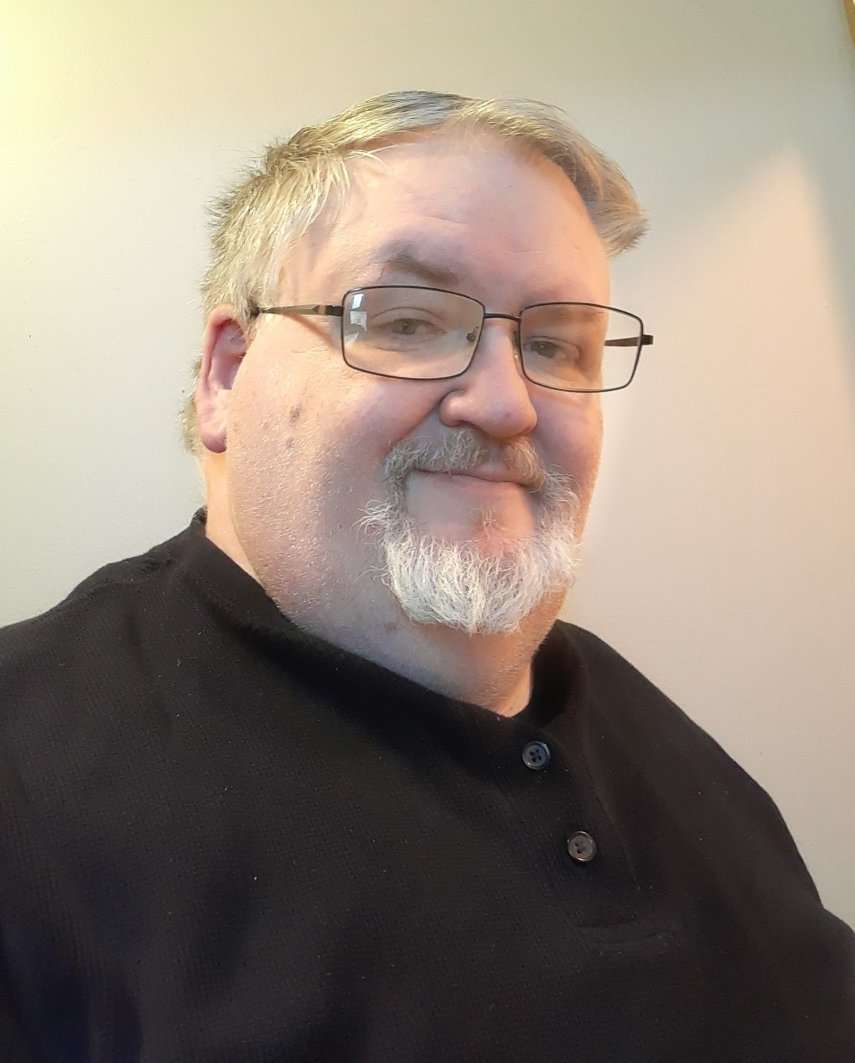
Bobby Nash Interview: Nowhere to Run and a Writing Career Built to Last
In this Bobby Nash Interview, award-winning author Bobby Nash returns to Meet the Thriller Author for a special reunion. Bobby first appeared on the podcast in 2015 as guest number six. More than ten years later, he joins Alan Petersen again to discuss his latest thriller, his creative process, and the persistence required to build a lasting writing career.
Bobby writes novels, comic books, graphic novels, short stories, audio scripts, and screenplays. His newest release, Nowhere to Run, launches a survival-thriller series starring Deputy U.S. Marshal William Teague.
When a prisoner-transfer plane is forced to crash-land on a frozen mountain, Teague heads into the wilderness to locate the wreckage, rescue the survivors, and recapture the dangerous fugitive responsible. Accompanied by a local guide named Cappy, Teague must battle brutal conditions while a massive winter storm closes in.
Writing Process and Longevity
During the conversation, Bobby explains how William Teague grew from a supporting character into the hero of his own series. He also shares the research behind the novel’s law-enforcement and wilderness-survival elements.
Bobby discusses his “signpost” approach to plotting: identifying the major story beats while leaving enough freedom for his characters to surprise him. He also talks about moving between thrillers, comics, audio dramas, media tie-ins, and other storytelling formats.
The interview explores Bobby’s hybrid publishing career, including his work with outside publishers and his own imprint, BEN Books. He explains how he manages multiple projects, handles setbacks, and continues creating new work after decades in the business.
Connect with Bobby Nash
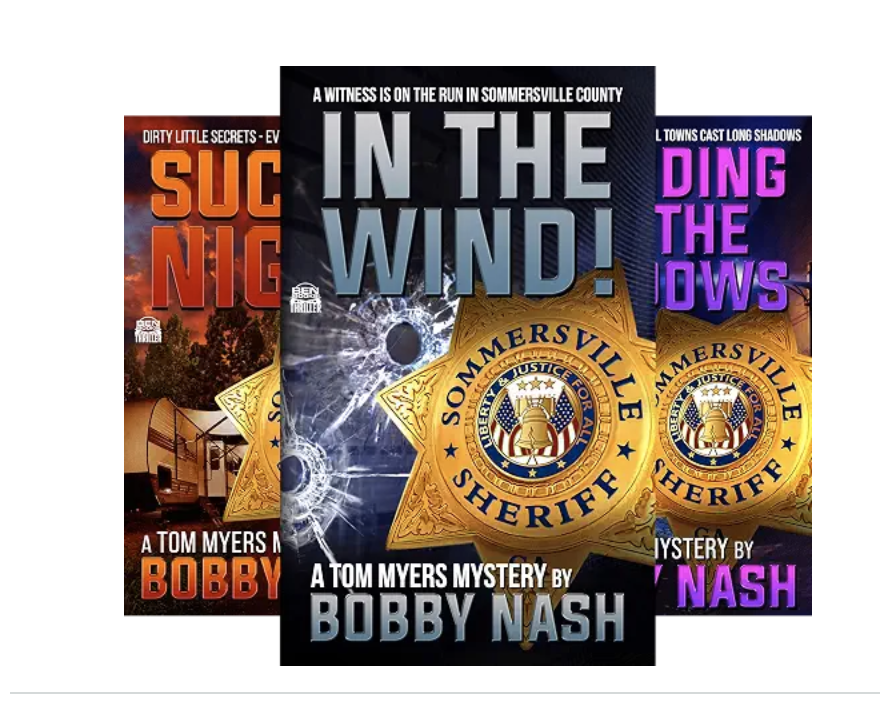
Latest Book
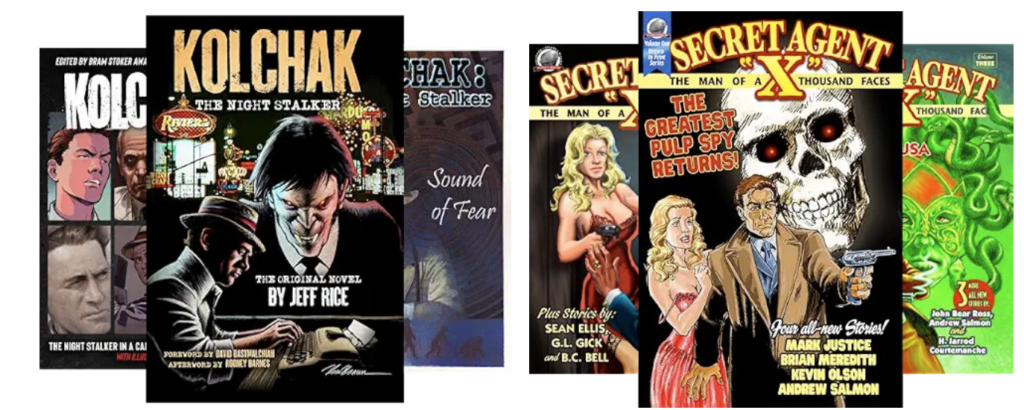
Bobby Nash Books
Show Notes & Transcript
Career and Writing
- Bobby Nash discusses his long career across novels, comics, screenplays, and media tie-ins.
- He continues writing crime, thriller, pulp, action, and science-fiction stories.
- His characters often develop into interconnected series within a shared universe.
Nowhere to Run
- The survival thriller follows Deputy U.S. Marshal William Teague after a plane crash in a remote mountain region.
- The story combines wilderness survival, criminal investigation, and dangerous winter conditions.
- Nash expanded the project from a novella into a 70,000-word novel.
Writing Process
- Nash works from key “signposts” rather than a detailed outline.
- He lets characters and unexpected scenes reshape the story during drafting.
- He manages multiple projects with spreadsheets, deadlines, and a controlled-chaos approach.
Advice for Writers
- Nash recommends writing what you enjoy instead of chasing trends.
- Writers should decide whether they want writing to be a hobby or a career.
- Treating writing like a job means working even when inspiration is absent.
Upcoming Work
- Nash is developing another William Teague novel titled One Last Run.
- He also plans to write Copperhead Run later.
- Readers can find his work at bobby-nash.com and ben-books.com.
Click here for full transcript
This transcript was generated with the help of AI and only got a quick once-over from a human. So if you spot a typo or something that doesn’t make sense… let’s just blame the robots. 🤖
[00:00:00.100] – Alan Petersen
Hey, everyone. Alan here. Before we get started, I want to quickly tell you about my new psychological thriller, The Love Letters, coming out on October 13th. This is one of the most personal stories I’ve written. The idea comes from real love letters my dad wrote to my mom more than 50 years ago. Reading them got me thinking: What if someone found letters that revealed a side of their father they never knew? That’s what happens to Valerie Holden in The Love Letters. She discovers a locked box in her father’s attic and begins uncovering a secret buried since 1979—one that leads to a horrific house fire, a decades-old murder-suicide, and questions about the man who raised her. Thankfully, my parents’ letters tell a much happier story. The Love Letters is available for preorder now. You can learn more about it at ThrillingReads.com/letters.
[00:00:50.670] – Alan Petersen
You are listening to Meet the Thriller Author, the podcast where I interview mystery, thriller, and suspense authors. I’m your host, Alan Petersen, a longtime fan of the genre and an author myself of crime and psychological thrillers. In this episode, number 245, I welcome back award-winning author Bobby Nash, who was one of the first guests I ever interviewed on the podcast more than 10 years ago. Bobby writes novels, comic books, graphic novels, short stories, screenplays, and more. His latest release is Nowhere to Run, a survival thriller featuring Deputy U.S. Marshal William Teague. It was great catching up with Bobby about the new book, his writing process, his prolific career, and a whole lot more—and seeing what he’s been up to after all these years. But before we get to the interview, if you enjoy Meet the Thriller Author, please take a moment to rate or review the show on your favorite podcast platform, whether that’s Apple Podcasts, Spotify, or wherever you’re listening. It really helps new listeners discover the podcast. All right, here is my conversation with Bobby Nash. Hello, everyone.
[00:01:55.740] – Alan Petersen
This is Alan Petersen with Meet the Thriller Author. Today I’m joined by award-winning author Bobby Nash, who writes novels, comic books, graphic novels, short stories, screenplays, and more. Bobby was one of my first guests on the podcast over 10 years ago—I think number six—so I’m excited to welcome him back and catch up with him. We’ll also talk about his latest novel, Nowhere to Run, a new survival thriller featuring Deputy U.S. Marshal William Teague. Bobby, welcome back.
[00:02:23.720] – Bobby Nash
It’s so good to be back. I didn’t realize until we were talking earlier that it’s been at least a decade.
[00:02:31.280] – Alan Petersen
We won’t wait another 10 years next time, but—
[00:02:35.780] – Bobby Nash
So I’m just glad I’m still here after 10 years, you know?
[00:02:38.680] – Alan Petersen
Yeah, that’s kind of wild because I went back and looked at the first 10 or so episodes. Like I told you before I hit record, several of those authors are no longer publishing. They might be publishing under a pen name or something, but to last this long is kind of incredible.
[00:02:54.940] – Bobby Nash
Yeah, yeah. I’m too stubborn to quit.
[00:02:58.000] – Alan Petersen
All right.
[00:02:58.700] – Alan Petersen
Yeah.
[00:02:59.080] – Alan Petersen
I have to ask you about that too. When you think about where you were 10 years ago compared with today, can you tell us a little bit about that?
[00:03:04.860] – Bobby Nash
So many changes have happened. I had a day job that wasn’t writing, and I was writing on the side. I live in a different place, and I’ve lost a couple of family members, so a lot of the life stuff has changed. Certainly, the hair is a lot lighter than it was. It used to be a lot darker. In terms of writing, some of it is still the same, but some is different. I’m still writing some of the same characters, but I’ve also tried new things and branched out. The crime and thriller work has become more prevalent. I was doing a lot of pulp, action, and sci-fi, which I still do, but I was doing more of it then. Other than me being busier, not a lot has changed—just more of the location and scenery and stuff.
[00:04:10.070] – Bobby Nash
My office is a lot more cluttered.
[00:04:13.520] – Alan Petersen
Stuff.
[00:04:14.160] – Alan Petersen
Yeah.
[00:04:15.030] – Bobby Nash
Yeah, and this is the clean corner of my office. It looks like a bookstore exploded over there. I still love what I do, and I guess that’s part of the reason I’m still doing it. I love writing, I get to travel as a result, and I meet a lot of cool people. It’s fun. I love it.
[00:04:39.330] – Alan Petersen
Yeah.
[00:04:39.350] – Alan Petersen
I remember that you wrote in many different genres. You self-published, worked with traditional publishers, and wrote media tie-ins. You did a little bit of everything. Are you still doing that?
[00:04:51.210] – Bobby Nash
Yeah, I still do. I have a self-publishing imprint, BEN Books. I do several things. Nowhere to Run, which you mentioned, I published myself. A lot of the crime-thriller work I’ve started doing is connected; the stories live in the same universe.
[00:05:06.850] – Alan Petersen
Mm-hmm.
[00:05:07.220] – Bobby Nash
Each book is a standalone, but background characters might appear in multiple books. I still take on projects for publishers, and media tie-ins are always fun. I’ve written Remo Williams, Zorro, the Lone Ranger, the Green Hornet, and Kolchak: The Night Stalker—characters I grew up reading or watching. Getting to play with them is a blast.
[00:05:34.450] – Alan Petersen
I can just imagine that must be wild.
[00:05:36.460] – Bobby Nash
Yeah, because you have that connection to them. As a kid, you never thought, “Oh, this is something somebody writes.” These things just happened. Being able to play in those universes is fun. It gives you an excuse to watch the old TV shows and say, “No, no, it’s research, I swear.” But it’s fun.
[00:06:01.940] – Alan Petersen
Yeah. That takes you back too, because the second you said Zorro, I remembered watching that a lot as a kid. I think the actor who played him on TV was Guy something—the guy from Lost in Space. And then, of course, there were the books and everything. I can’t imagine playing in that world with such an iconic character.
[00:06:15.900] – Bobby Nash
It’s been, yeah.
[00:06:16.620] – Alan Petersen
Really, really cool.
[00:06:16.890] – Bobby Nash
As I said, it was a great excuse to watch Zorro television episodes and movies and read some of the original short stories. I spent a week watching Green Hornet and Lone Ranger episodes. It was awesome.
[00:06:33.960] – Alan Petersen
For listeners who aren’t familiar with your work, what can they expect when they read one of your thrillers?
[00:06:42.230] – Bobby Nash
I’m a very action-oriented writer, so there’s always some action of some kind. I write mystery thrillers, suspense thrillers, and crime thrillers. Thrillers can mix with almost everything.
[00:06:59.280] – Alan Petersen
Mm-hmm.
[00:06:59.890] – Bobby Nash
There’s a lot of action and a hint of danger in all of them. Some are more adult than others, but I try to make sure people know what to expect. Evil Ways was my first published novel, and it’s a suspense thriller, so it’s a little more adult. The violence is more graphic, and some of the language is more adult, whereas books like Snow, Deadly Games, and Nowhere to Run are more appropriate for all ages.
[00:07:34.310] – Alan Petersen
Mm-hmm.
[00:07:34.770] – Bobby Nash
There is violence, but it’s not as graphic. There is some language, but I’m not dropping F-bombs all the time. It’s something a younger reader could read without parental supervision.
[00:07:50.240] – Alan Petersen
Yeah.
[00:07:50.990] – Bobby Nash
I prefer to write for all ages, but certain books require a more adult story. I have multiple series with different lead characters. Evil Ways and Evil Intent feature an FBI agent named Harold Palmer. Suicide Bomb has two lead characters: homicide detective Catherine Jackson and Secret Service agent Samantha Patterson. Deadly Games and Deadly Deals feature a homicide detective and an Atlanta reporter trying to solve crimes. Then there’s William Teague, whom you mentioned, from Nowhere to Run, and Sheriff Myers from the Tom Myers Mysteries. You can actually see a cover right there. The beauty of those last two characters is that both Myers and Teague were secondary characters in other novels who kept reminding me they were still there, waiting for their turn. Once a story came along that was perfect for them, they got their own story.
[00:09:09.120] – Bobby Nash
It’s all the same universe, so many of those secondary characters can cross over. I haven’t crossed over the main characters very much.
[00:09:19.960] – Alan Petersen
When you first wrote William Teague, did you have any idea that he might be a good character for a future series, or was it just—
[00:09:34.870] – Bobby Nash
No. He first appeared in Evil Intent, which is the sequel to Evil Ways. They’re pursuing a fugitive, and that’s what the U.S. Marshals do: hunt down fugitives. I created Teague to work with the main characters and help chase down this fugitive. He was a secondary character, but I liked him. Even with secondary characters, I try to make sure they feel real to me. They get names and personalities, or something else sparks my interest in them. Later, when I was writing the first standalone Sheriff Myers story—and Sheriff Myers started in Evil Ways—I needed a marshal. Instead of creating a new one, I brought Teague in. At that point, I thought, “Oh, I kind of like this guy. I’m getting to know him more.”
[00:10:42.930] – Bobby Nash
Then, when the idea for Nowhere to Run hit me, that little voice in the back of my head said, “Hey, that one’s mine. I’ll take that one. That’s my story.” Once those two things clicked, it was his story, and we were off and running. As I get to know the characters, I start making notes about future ideas, and it snowballs. I already have a second idea for another Teague-centric story. Sometimes something will happen in dialogue—just like in real life, when we talk about something that’s going to happen or something that happened—and it sparks ideas for the future. I don’t know why they keep talking to me. I’m just glad they do.
[00:11:40.330] – Alan Petersen
Can you tell us a little about Nowhere to Run? How did you get the idea, how did it develop, and what is the story about?
[00:11:54.930] – Bobby Nash
Well, I am a huge fan of stories about people in the wilderness. I love movies, books, and shows about people versus nature. When the idea came to me, it involved a plane crashing on a mountain and someone having to go up and rescue the people on board. Originally, that was the crux of the idea: there’s a plane crash, and we have to rescue those people. I came up with a character who runs a bar in a sleepy little town at the base of the mountain. He’s an expert climber, and he goes up to rescue them. It was a fine idea, but it felt like it was missing something. Then Teague whispered in my ear, “That one’s mine.” I married the survival story to a crime story: someone on the plane caused it to go down, and they now have to catch him again. That made it a good marshal story.
[00:13:15.250] – Bobby Nash
Then I teamed up Teague and Cappy and sent them up the mountain. I learned more about both characters, including the fact that they have a connection to each other. Those things weren’t originally planned. They emerged as I was writing and the characters began telling me what they wanted to do.
[00:13:39.900] – Alan Petersen
Mm-hmm.
[00:13:40.590] – Bobby Nash
It became this wonderful thing. We have an investigation underway, other characters conducting that investigation, the people on top of the mountain dealing with the aftermath of a plane crash, and Teague and Cappy going up the mountain. All of these elements come together almost at the mountain’s peak. There’s a lot of action and man-versus-nature conflict, plus they’re dealing with a killer. Having two men going up the mountain made it more interesting because they have someone to talk to. It isn’t just a running internal monologue while one man climbs a mountain. Those conversations made the story more interesting because, while they’re focused on the rescue, we’re also learning more about them. Sorry, I keep talking with my hands. Your viewers are going to think I’m trying to hit them.
[00:14:47.970] – Alan Petersen
Yeah. I really like Cappy too. Was he in another story as well?
[00:14:52.950] – Bobby Nash
No, that’s his first story. He’s a good character.
[00:14:56.850] – Alan Petersen
His introduction in the bar fight was pretty cool.
[00:15:00.850] – Bobby Nash
Thank you. That character has been in my head for a while. I had this idea for the scene in the bar with the drunk and tried to use it a few times, but it didn’t work in those other stories. When this idea came along, I realized it was the perfect place for that bar. I love the character. I think Cappy turned out to be fantastic. I do this with every book: there are no plans to do anything else with him, but I know that character is going to start whispering at some point. Other things happen on this mountain, so you never know.
[00:15:49.120] – Alan Petersen
You don’t want to mess with Cappy either, so you’d better listen.
[00:15:52.480] – Bobby Nash
He’s such a cool character. I try not to fancast my books. People ask which actor I would want to play a character, and I hate doing that because I don’t want to lock myself into thinking, “This is that guy.” But while I was writing it, a writer friend asked me that question. Teague is younger than Cappy, so Teague could be played by a modern-day action star. Cappy would be played by someone you saw in mountain movies or TV shows when he was younger—someone who was a badass then, so you’ll believe he’s still a badass now.
[00:16:43.840] – Alan Petersen
Yeah.
[00:16:44.820] – Bobby Nash
My first thought was of actors like Tom Berenger or Richard Dean Anderson, whom you used to see climbing mountains in TV shows when they were younger. Having one of them play the older character would work because you’ve seen them do it before.
[00:17:06.680] – Alan Petersen
Mm-hmm.
[00:17:07.400] – Bobby Nash
In my head, Cappy was Teague when he was younger. I like the idea of the older man going up the mountain, being the expert, and still doing the work.
[00:17:25.930] – Alan Petersen
The setting also feels like a major character in the book. It’s an old coal-mining area somewhere in the South. Can you tell us a little about it? Was the setting part of the idea when you started writing?
[00:17:42.550] – Bobby Nash
When I had the idea for the plane crash, I was deliberately vague about where Black Mountain Pass is. I don’t put it in a particular state. My mother’s family is from coal country, and as kids we visited coal-mining towns, so I drew upon those memories. If you’ve ever been to coal country, it’s nasty.
[00:18:18.950] – Alan Petersen
Yeah.
[00:18:19.590] – Bobby Nash
It’s dirty. There’s so much in the air that you feel grimy as soon as you arrive. I drew on that feeling for the town. Everything is covered in soot, like a black powder. Everything is dark, and the town sits in the shadow of four mountains. Even at midday, it’s dim and depressing. There’s nothing there; everything has dried up. You have two options: work in the local grocery store or work in a coal mine.
[00:19:05.900] – Alan Petersen
Mm-hmm.
[00:19:06.530] – Bobby Nash
Cappy deals with a drunk who is unhappy with his lot in life because he’s stuck working in a coal mine and thinks he should be doing better. Instead of doing something constructive, he drinks and gets angry. I enjoyed playing with that. I liked the idea that there’s almost nothing in the town.
[00:19:33.780] – Alan Petersen
Yeah.
[00:19:34.980] – Bobby Nash
The town where I used to live was like that. It has grown since then, but our downtown used to be a four-way intersection. It didn’t even have a regular stoplight—just a flashing red light in one direction and a flashing yellow light in the other.
[00:19:53.020] – Alan Petersen
Yeah.
[00:19:53.920] – Bobby Nash
That was it. There was a gas station on one corner, fast-food restaurants on two corners, and one empty corner. That was the town. I liked playing with the idea of a town that small, where everybody knows everybody.
[00:20:13.350] – Alan Petersen
Mm-hmm.
[00:20:13.820] – Bobby Nash
For Cappy, who’s trying to hide from the world, it’s the perfect place. Even though everybody in town knows everybody else, nobody outside the town knows anyone there.
[00:20:27.790] – Alan Petersen
Mm-hmm.
[00:20:28.400] – Bobby Nash
It’s like its own little walled-off area that doesn’t attract many strangers. When Teague walks into town, Cappy’s first thought is, “Oh, crap. Teague.” Not because he dislikes Teague, but because someone who knows him has found him, and he can’t hide anymore. That was one of the things that emerged during the writing. Cappy made that comment, and I thought, “Oh, they know each other. Wait a minute—how?”
[00:20:57.990] – Alan Petersen
Yeah.
[00:20:58.550] – Bobby Nash
Then I had to figure all of that out. I go into these stories with a plot. I don’t outline, but I have a plot.
[00:21:07.380] – Alan Petersen
That’s what I was going to say. It doesn’t sound like you outline.
[00:21:09.700] – Bobby Nash
I don’t outline. I’ve tried, but I don’t have the outlining gene. I’m sorry—I hit something on my computer. There we go.
[00:21:24.950] – Alan Petersen
Sorry.
[00:21:25.970] – Bobby Nash
The few times I’ve tried to outline, I felt less enthusiastic when I began writing. It felt as though I’d already done it and was ready to move on to something else.
[00:21:38.100] – Alan Petersen
Yeah.
[00:21:38.630] – Bobby Nash
My approach is more like this: I know these 10 things have to happen. I call them signposts. I have those 10 signposts, and I say to the characters, “I need to go there. How do I get there?”
[00:21:54.670] – Alan Petersen
Yeah.
[00:21:55.080] – Bobby Nash
Then I follow them and discover how we get there. They lead me in different directions. I might want to go straight ahead, but they say, “No, we’re going this way because it’s better for us.” You learn something from why they do things the way they do. So far, it has worked for me. It hasn’t written me into any corners I couldn’t escape.
[00:22:24.290] – Alan Petersen
Yeah.
[00:22:25.410] – Bobby Nash
There is always a plan. I don’t generally write the entire story by the seat of my pants, although the plan may change.
[00:22:38.490] – Alan Petersen
Yes.
[00:22:39.390] – Bobby Nash
There is a plan when I begin. In Nowhere to Run, for example, we know the goal is to reach the top of the mountain.
[00:22:46.820] – Alan Petersen
Mm-hmm.
[00:22:48.050] – Bobby Nash
How we get there is another matter, as is what happens once we arrive. The ending shifted slightly.
[00:22:59.500] – Alan Petersen
Yeah.
[00:23:00.320] – Bobby Nash
I reached a point where I had to ask, “What would we do next?” There are different options. Do the characters kill the bad guy when they find him? Do they try to arrest him? That unfolds as we go, but we’re still moving in the direction I knew we would go. It’s just a question of how we get there.
[00:23:23.240] – Alan Petersen
You have a lot going on with the U.S. Marshals Service, aviation emergencies, and surviving winter conditions. What is your research process like? Did you begin researching before you figured out the plot?
[00:23:38.180] – Bobby Nash
Some of it I researched in advance, and some I researched as I went along. Here’s the inside-baseball part: Much of what I was publishing myself through BEN Books consisted of short, 30,000-word novellas. Nowhere to Run was originally going to be one of those, but because paper and printing costs have increased, publishing novellas is no longer an inexpensive alternative.
[00:24:12.490] – Alan Petersen
Mm-hmm.
[00:24:13.210] – Bobby Nash
I used to be able to sell them for six or seven dollars. Now I have to charge ten dollars, which means a paperback collecting three of them would cost thirty dollars. It isn’t as feasible. Midway through, I decided to make this a novel instead of a novella. That changed much of the investigation. In the novella plan, Teague would simply receive information: “We did this, and here’s what we learned.” With a novel, I could show the investigation and the steps the other characters took to determine what was happening. It also gave readers a break from Teague and Cappy and allowed them to see what everyone else was doing. Excuse me. Sorry.
[00:25:10.840] – Alan Petersen
Yeah, no problem.
[00:25:13.330] – Bobby Nash
Doing that allowed me to expand the story. Excuse me. I’m having sinus issues.
[00:25:25.610] – Alan Petersen
Yeah, no worries. I can cut it out.
[00:25:29.130] – Bobby Nash
Cough drops are wonderful. I had an outdoor event over the weekend at Stone Mountain Park in Georgia. I was outside all day, surrounded by trees, and it was rough.
[00:25:43.580] – Alan Petersen
Yeah.
[00:25:44.130] – Bobby Nash
Yeah.
[00:25:44.710] – Alan Petersen
I didn’t realize—
[00:25:45.220] – Bobby Nash
I had a good time, but I came away with sinus trouble. At least I can talk now. A couple of days ago, I sounded horrible. It was rough.
[00:26:00.290] – Alan Petersen
That’s my main memory of Georgia. I don’t know where you are, but I did my basic training and AIT at Fort Benning. The humidity and bugs were nasty.
[00:26:16.660] – Bobby Nash
Usually, by this time of year, we’re cooling off. This year, it’s still in the upper 90s before factoring in the humidity. It has been brutal. We have Dragon Con here in Atlanta over Labor Day weekend. It’s a huge convention that encompasses a good chunk of the city, so you’re walking outside between buildings. Usually it starts to cool off that weekend, but it was so hot and humid that you would step outside and immediately be soaking wet.
[00:26:54.500] – Alan Petersen
Yeah.
[00:26:55.140] – Bobby Nash
With sweat. We were all going into panels like that. I had one panel that required a six-block walk to the hotel, and by the time I arrived, I was exhausted. I sat down and apologized to everybody, but we were all in the same condition.
[00:27:12.460] – Alan Petersen
Yeah.
[00:27:12.780] – Bobby Nash
It still hasn’t cooled off. It was like that today. It’s brutal, so I’m ready for some fall weather.
[00:27:21.530] – Alan Petersen
You need a break. How was writing a novel again compared with writing novellas? As you said, you have more room to play.
[00:27:31.520] – Bobby Nash
Mm-hmm.
[00:27:32.330] – Alan Petersen
Did you enjoy it, or did you miss writing the shorter novellas?
[00:27:36.340] – Bobby Nash
The part that concerned me was whether all the additional material was taking away from the story. I loved the scenes and the characters, but I didn’t want it to feel as though I were padding the book. I had to make sure everything made sense. It’s still a relatively short novel at about 70,000 words; my other novels tend to be closer to 100,000. I stopped where I did because adding more would have made it feel bloated. I wrote the story to the length it needed to be. As you get to know the characters, they begin informing the story. Several secondary characters appear in this book, including an FBI agent who was also in Evil Intent, where he and Teague met. Because these characters work for the same agencies in the same area, it makes sense that they would continue to run into one another.
[00:28:40.990] – Bobby Nash
It’s like building this little Bobby universe of characters.
[00:28:49.660] – Alan Petersen
Since you write so many different projects and have so much going on, what is your writing day like? Do you write every day? Do you work on one project at a time?
[00:29:03.540] – Bobby Nash
I’m in a fortunate position because I get to do this as my day job. I take care of my dad, who has some mobility and health issues. Several years ago, after my mother passed away, I moved in with him to take care of him. Because I live in his house, I don’t have a house payment, and my writing covers everything else.
[00:29:28.130] – Alan Petersen
Yeah.
[00:29:28.470] – Bobby Nash
That was always the biggest problem: writing never covered the monthly house payment. As for my typical day, I’m not an early riser unless I have to be.
[00:29:36.170] – Alan Petersen
Mm-hmm.
[00:29:36.640] – Bobby Nash
I usually sleep a little later, get up, and do some administrative work. My dad and I then have lunch. We go to the lake, visit state parks, run errands, and get out of the house because he likes to go places. By the time I’m home in the afternoon, I sit down and work until dinnertime. We eat a late dinner because we usually have a late lunch, so I get in a good five or six hours of work. After dinner, I either return to writing or work on artwork for conventions. I sell bookmarks and—
[00:30:26.210] – Alan Petersen
Oh, neat.
[00:30:26.950] – Bobby Nash
—other items that I sell at conventions. I do that at night, or, if I’m on deadline, I’ll return to writing. Sometimes I’ll climb into bed with my tablet and write before going to sleep. That’s my average day, and it’s pretty much the same most days. I occasionally take a day off. Events take up many weekends, and I’m obviously not writing when I’m at one. Otherwise, I work almost every day unless I decide to catch a movie, have dinner with friends, or simply take Saturday off. I plan my week accordingly. At least once every two or three weeks, my dad and I take a day trip. If I know we’re going next Wednesday, I’ll plan to take that day off and work a little extra on Tuesday and Thursday so I can meet my deadlines.
[00:31:30.070] – Bobby Nash
When the deadlines aren’t heavy, I can juggle the schedule a little. I do work on multiple projects at once. When I sit down to work on Project A, I can only write so much before I reach a natural stopping point and my brain says, “Okay, that’s enough of that.”
[00:31:55.870] – Alan Petersen
Mm-hmm.
[00:31:57.410] – Bobby Nash
I can either quit for the day or move to Project B. When I switch, it’s almost like starting fresh, and I can write until I reach another natural stopping point. I get more work done that way.
[00:32:15.620] – Alan Petersen
Mm-hmm.
[00:32:16.740] – Bobby Nash
That gives me flexibility to work on various things. Some projects have deadlines and some don’t, and I can break up the day accordingly. I also publish a serialized story on Patreon, one chapter per week, so that takes one day. Then I work on other things and bounce around. You also never know when edits are going to come back from a publisher.
[00:32:49.230] – Alan Petersen
Yeah.
[00:32:50.130] – Bobby Nash
You have to learn how to juggle projects. You may be working on something when edits arrive, and you have to stop because they usually require a quick turnaround—two or three days, depending on the publisher. Then you return to the project, but perhaps a book comes out and you have to stop again to promote it. There’s a lot of starting and stopping. At the moment, I have three novels in the writing stage, including the weekly serialized story; two projects in editing; two short stories I’ve just started; and about four projects being planned for the future.
[00:33:45.800] – Alan Petersen
Yeah. Incredible.
[00:33:47.590] – Alan Petersen
Yeah.
[00:33:47.900] – Bobby Nash
Some of those projects don’t have deadlines, so I’m not actively working on them. Of course, that’s when those characters start talking to you.
[00:33:58.480] – Alan Petersen
Yeah.
[00:33:59.250] – Bobby Nash
I’ll constantly make notes. Sometimes I’ll wake up at five in the morning with a character yammering away, so I’ll pick up my phone and write down what they’re saying. Before I know it, I’ve written a chapter. If it isn’t for a pressing project, I’ll copy and paste it elsewhere.
[00:34:15.940] – Alan Petersen
Mm-hmm.
[00:34:16.890] – Bobby Nash
I set that aside for later and return to the projects with deadlines. It’s chaotic, but it works for me.
[00:34:23.680] – Alan Petersen
It’s been working for you for a long time.
[00:34:25.860] – Bobby Nash
I don’t recommend it to everybody unless you’re comfortable with chaos. You can see my office. Chaos and I are old friends. It’s controlled chaos.
[00:34:44.050] – Alan Petersen
Yeah.
[00:34:44.710] – Bobby Nash
I more or less know where everything is, so it works for me. Every once in a while, I’ll reach a point where it’s driving me crazy. I’ll clean, organize, and straighten everything. A week later, it looks just like this again. That’s simply who I am, so I’ve learned to make the chaos work in my favor.
[00:35:07.910] – Alan Petersen
And how do you keep track of everything? Do you like spreadsheets?
[00:35:10.220] – Bobby Nash
I’m fortunate that I can keep story information in my head without a problem. I couldn’t tell you what I had for lunch yesterday, but I remember where the characters were. You remember the important stuff. I also keep a spreadsheet. While I’m writing a manuscript—especially a series—I maintain a character list. When I finish the book, I copy and paste that list into the next one. I add any important details to the character descriptions, particularly anything we’ll revisit. The list is always at the bottom of whatever I’m writing and helps me keep everything straight. I also have a spreadsheet of open projects, including when they’re due, whom they’re for, how long they are, and when I want to work on them. For the past two years, I’ve made a concerted effort to finish things early. There was a long period in my career when, if the deadline was October 31st, I would still be working at 11:59 that night. I’ve been very conscious about changing that.
[00:36:42.730] – Bobby Nash
And it’s not easy. I like to procrastinate.
[00:36:46.540] – Alan Petersen
Yeah.
[00:36:47.810] – Bobby Nash
I also like to think, “I can get that done in this amount of time,” which is probably the biggest lie we tell ourselves. Or I think, “I’ve got plenty of time.” I’ve been making a concerted effort to finish early, and for the most part I’ve stuck with it, although a few things have fallen through the cracks. My spreadsheet tracks when a project is due and when I want to finish it. If I miss my target, I still have a buffer.
[00:37:18.770] – Alan Petersen
Mm-hmm.
[00:37:19.480] – Bobby Nash
That has helped me stay on track. It’s a learning curve. It’s hard to say no when people invite you to participate in books or other projects, but I’ve had to teach myself to say, “I don’t have time,” or, “I can’t make the deadline you’re asking for.” Sometimes I’ll ask whether the deadline is set in stone because there’s no way I can meet it with everything else I have going on. I’ve been doing this long enough that I’ve finally learned I can’t do everything. Sometimes I have to say no, which hurts because you hate turning down work. That controlled chaos works for me and allows me to be all over the place, which is what it’s like inside my head anyway.
[00:38:11.640] – Alan Petersen
Yeah.
[00:38:12.920] – Bobby Nash
I can be talking to you about one thing while something else is screaming at me from the other side of the room. I’ve found a way to incorporate that into my work and my life. So far, it works.
[00:38:30.810] – Alan Petersen
And what do you use to write? Do you use Word?
[00:38:33.640] – Bobby Nash
Yeah, Word.
[00:38:34.530] – Alan Petersen
Okay.
[00:38:34.690] – Bobby Nash
For the most part, I use Word on my laptop. On my tablet or phone, I use a free notepad app I downloaded from the Play Store. It looks like a yellow legal pad. I can type into it and email the entire file to myself, then copy and paste it into Word. I have to reformat it because the app doesn’t retain formatting, but I can write in a doctor’s waiting room or when I wake up at five in the morning. It helps when I’m away from home. When I’m here on my laptop, though, I use Word. It works. It’s simple and easy.
[00:39:28.550] – Alan Petersen
Are you working on another Teague novel? What’s next?
[00:39:33.750] – Bobby Nash
I have the plot. I was at a convention a month ago, shortly after the book came out in August. It was a slow moment, and I’d been talking up the new book. I already had an idea, and the back of Nowhere to Run says the next book will be called Copperhead Run. I even put an advertisement in there. Let that be a lesson to me, because it is no longer the next book. I had a loose idea for Copperhead Run, and I will still write it, but this new story hit me almost fully formed. At the convention, I began jotting down notes. Book two will now be called One Last Run.
[00:40:28.500] – Alan Petersen
Oh, nice title.
[00:40:29.710] – Bobby Nash
My plan is to include “Run” in every title. One Last Run is more fully developed, and writing it will give me time to figure out Copperhead Run. That’s how my brain works. I think I have a good idea, and then the characters tell me what we’re really going to do. I work for them. You know how it is—we work for our characters.
[00:40:54.690] – Alan Petersen
Yeah.
[00:40:55.410] – Bobby Nash
That’s what they wanted to do, and I like the idea. When I say I get an idea, it isn’t simply, “Wouldn’t it be cool if they had to climb a mountain?” Whole scenes pop into my head.
[00:41:15.640] – Alan Petersen
Yeah.
[00:41:16.220] – Bobby Nash
I have to write that scene down. Then I ask, “Where does it go? What does it mean?” The story unfolds from there. My characters rarely say, “Hey, I’ve got an idea.” They say, “Here’s what I did,” and dump it on me. Writing down the scene in my head helps me feel more connected to the characters. They feel more real to me.
[00:41:48.200] – Alan Petersen
Mm-hmm.
[00:41:48.970] – Bobby Nash
They feel like real people. I’ll be honest: I have more ideas scribbled down than I will ever be able to write in my lifetime, and sometimes I don’t know where those ideas fit. Years ago, I wrote a novel called Suicide Bomb, which has two female main characters. We’d been following them for several chapters, and I felt we needed to take a break, look at something else, and then return to them. I didn’t know what needed to happen, so I decided to write something and see where it went. I wrote a chapter featuring a new character whose purpose was to die while trying to break into a building. He was with a woman who stole his access card, used it to enter the building, stole something, and was then killed.
[00:43:04.460] – Bobby Nash
It was a short scene, and I wondered whether the man was important. Perhaps he was simply a patsy whose card she stole, and we would never see him again. I liked the scene and knew I could remove it if it didn’t work. Four chapters later, I realized who he was: the ex-husband one of the main characters had been complaining about throughout the book. Suddenly, they came together because they were investigating the events that led to the woman’s death. It put the former couple back in each other’s orbit and made the character important. I didn’t know that when I wrote the original scene. Sometimes you have to trust the process and see whether it makes sense. Occasionally, you realize an idea is dumb and remove it. But other times, something happens and I know there is a reason for it, even if I don’t yet know what that reason is.
[00:44:15.440] – Bobby Nash
Then it makes sense later, which makes me sound like a crazy person to people who aren’t writers.
[00:44:22.800] – Alan Petersen
Yeah.
[00:44:23.220] – Bobby Nash
You’ve probably been told, “You’re the writer. Make them do what you want.” That doesn’t happen.
[00:44:34.190] – Alan Petersen
Yeah. I don’t know. I have outlines and I still change the outline sometimes.
[00:44:37.940] – Bobby Nash
But isn’t it wonderful that the story becomes a living, breathing thing? Sometimes it’s as unpredictable as real life. I love those moments because they’re unexpected for me.
[00:44:59.700] – Alan Petersen
Yeah.
[00:44:59.960] – Bobby Nash
I like to think that if my characters can surprise me, they’ll also surprise the reader. I realize that, in reality, I’m the one coming up with all of this, but it sounds much cooler to say the characters told me. Subconsciously, I know it, but the conscious part of my brain hasn’t put two and two together yet. Those moments are magic to me. I’m sure you have them too—those moments when you wonder, “Where did that come from?”
[00:45:31.900] – Alan Petersen
Yeah.
[00:45:32.530] – Bobby Nash
I’ve written things and thought, “Whoa, how did I do that? I’m not smart enough to have done what I just did.” I can’t explain how it works, so I have to believe in the magic of the characters telling me.
[00:45:49.600] – Alan Petersen
I have aspiring writers listening to this. Any advice to someone who’s thinking about writing?
[00:45:53.930] – Bobby Nash
Absolutely. I get this question a lot. First, whatever you’re doing, have fun with it.
[00:46:01.600] – Alan Petersen
Mm-hmm.
[00:46:03.010] – Bobby Nash
Write what you enjoy. Don’t chase trends. I know that sounds trite, but it’s true. Imagine vampires are popular, and vampire novels sell, but you hate vampires. You write one anyway, and it becomes enormously successful. Now you’re stuck writing vampires for the rest of your life, and you’re going to be miserable. You may be miserable on top of a stack of money, but you’ll still be miserable. Start by writing what you like. That doesn’t mean you should never experiment, but have fun with what you’re doing and write what you enjoy. Then decide what you want writing to do for you. Not everyone writes for the same reason. Do you want writing to be your career?
[00:47:00.930] – Alan Petersen
Okay.
[00:47:01.580] – Bobby Nash
There are steps you can take to make that happen. Do you want to write as a hobby? There’s nothing wrong with that either, and it means you can wait for the muse to strike. When writing is your career, you write whether the muse is talking or not because you have deadlines. Your editors couldn’t care less whether the muse is talking; they want the book finished by a particular date. Knowing what you want from writing can help you decide how to approach it. When I started, I wanted writing to be my career. I wanted to earn a living as a writer. I don’t remember who told me this, and I hate that I’ve forgotten, but one of the best pieces of advice I received was this: If you want writing to be your career, you have to treat it like a job.
[00:47:59.920] – Alan Petersen
Mm-hmm.
[00:48:00.940] – Bobby Nash
As with any other job, you may wake up and think, “I don’t want to go to work,” but you take a shower, get dressed, and go anyway. It’s your job, and you have to make money. Writing is the same. Some days I would rather do anything else, but once I’m settled at my desk and start working, I’m fine. I simply have to go to work.
[00:48:25.450] – Alan Petersen
Mm-hmm.
[00:48:26.380] – Bobby Nash
That means writing on days when you don’t want to and when you don’t feel like it. It’s work. It’s a job—a job I love, but still a job. Determine what you want from your writing, while understanding that it can change. You might want to write as a hobby now and decide in five years that it’s time to make it a job. Once you know what you want, you can plan your path accordingly.
[00:48:59.750] – Alan Petersen
Where can readers find you online? What are your websites?
[00:49:05.000] – Bobby Nash
BobbyNash.com has everything. BEN-Books.com is the website for BEN Books, my independent-publishing imprint. I’m all over social media, and those sites have links to Facebook, Instagram, Bluesky, Threads, and others. I’m not hard to find, although Googling me is much harder than it used to be because the TV show 9-1-1 had a character named Bobby Nash.
[00:49:41.030] – Alan Petersen
Oh, did I know that?
[00:49:42.390] – Bobby Nash
For the longest time, Google’s AI identified him as the author of my books. It literally said, “Bobby Nash, played by Peter Krause,” and showed a picture of Peter Krause in his firefighter uniform alongside my books.
[00:50:02.240] – Alan Petersen
Oh, that sucks. He’s a big actor too. So of course, yes, the search engine is going to love that.
[00:50:07.280] – Bobby Nash
If you type in only “Bobby Nash,” you’ll get the character. You have to search for “author Bobby Nash” to find me. Apparently, the character died on the show. People began visiting my social-media accounts and saying, “I’m so sorry to hear that you’re gone.” I had no idea what they meant. On Twitter especially, people tag me because I’ve had @BobbyNash for so long. They assume the account belongs to the character from the popular TV show. They’ll discuss the show and tag me, and I’ll say, “I have no idea what you’re talking about.” Then they’ll ask, “Who are you?” and I’ll reply, “The person you tagged.” Even now, people are still mourning the character’s death and tagging me because they think I’m that guy.
[00:51:15.430] – Bobby Nash
They think I’m that guy.
[00:51:16.750] – Alan Petersen
So go to the website for the real Bobby Nash. Bobby, thanks for being on the podcast. It was great catching up with you and having you back on.
[00:51:24.710] – Bobby Nash
Excellent. We’ll have to do this again without waiting 10 years.
[00:51:28.120] – Alan Petersen
Yes, absolutely. Thanks for listening to Meet the Thriller Author. I hope you enjoyed the conversation. If you did, please take a moment to follow the podcast and leave a rating or review. It really does help other thriller readers find the show. You can find all the past episodes at ThrillerAuthors.com. If you’d like to check out my own psychological thrillers and crime novels, head over to ThrillingReads.com. Again, thank you for listening. Until next time, keep reading, and I’ll see you on the next episode.