
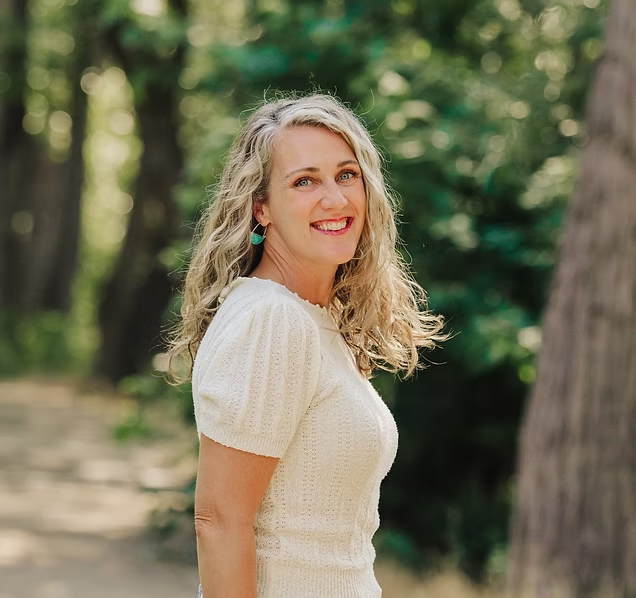
Steph Nelson Interview | Meet the Thriller Author Podcast #239
For Episode 239 of Meet the Thriller Author, I had the pleasure of chatting with thriller author Steph Nelson about her latest novel, Don’t Ask Why, her unique writing journey, and how she built a successful career in psychological thrillers after starting as a horror writer.
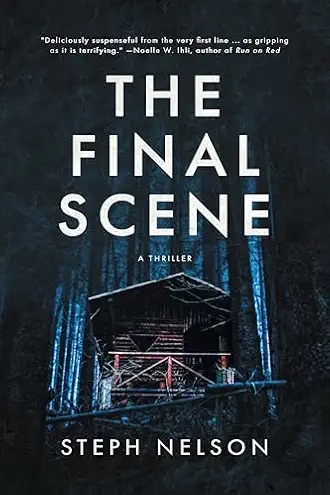
Steph’s path to publishing is anything but conventional. She began writing during the COVID pandemic after years as a stay-at-home mom. What started as a desire to tell stories eventually led to two horror novels, several acclaimed short stories, and then a breakthrough thriller debut. Her first thriller, The Final Scene, sold more than 10,000 copies in its first two months and helped launch her career as a full-time author.
During our conversation, Steph shared the fascinating real-life inspiration behind Don’t Ask Why. The novel follows four friends who travel to a secluded island in the Florida Keys for what is supposed to be a healing getaway. Instead, secrets emerge, tensions rise, and the trip quickly turns into a fight for survival. Steph explained how a heartfelt comment from a friend dealing with a family illness sparked the original idea for the story.
We also discussed her writing process, which is refreshingly different from many authors. Steph considers herself a “pantser” rather than an outliner, often discovering the story as she writes and then revising heavily afterward.
She shared her thoughts on word count goals, creativity, reader expectations, and the challenges of balancing artistic instincts with writing books that thriller readers love.
Other topics included her transition from horror to psychological thrillers, the influence of social media and Bookstagram on her career, indie publishing, and her advice for aspiring thriller writers.
If you’re a fan of psychological thriller novels and enjoy hearing how successful authors develop their stories, I think you’ll really enjoy this conversation with Steph Nelson.
Connect with Steph Nelson:
Latest from Steph Nelson
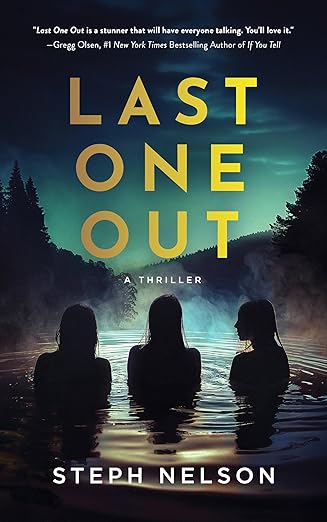
Steph Nelson Books
Show Notes, Transcript, Video
• Steph Nelson discusses her unconventional path to becoming a thriller author after spending years as a stay-at-home mom and beginning her writing journey during the COVID pandemic.
• How reading Michael Crichton, Stephen King, and Riley Sager influenced her transition from horror fiction to psychological thrillers.
• The surprising story behind her debut novel, The Final Scene, which sold more than 10,000 copies in its first two months.
• Steph shares the real-life conversation that inspired her latest thriller, Don’t Ask Why.
• Why she loves writing relatable women who find themselves trapped in dangerous, high-stakes situations.
• The challenges of creating realistic friendship dynamics and layered female characters.
• Her approach to generating story ideas and knowing when an idea is strong enough to become a novel.
• Steph explains why she considers herself a “mood pantser” rather than an outliner.
• Her writing workflow, including using Microsoft Word, reverse outlining in Excel, and writing without daily word count goals.
• The similarities and differences between horror and psychological thrillers.
• How reader feedback and book influencers have helped shape her career.
• Steph discusses her indie publishing journey and how she built a six-figure author business in her first year as a thriller writer.
• The role Instagram, TikTok, and Bookstagrammers play in her marketing strategy.
• What readers can expect from her upcoming projects, including a darker thriller currently in development.
• Steph’s candid advice for aspiring thriller writers about publishing, querying agents, and building a sustainable writing career.
Transcript
Click here for full transcript
This transcript was generated with the help of AI and only got a quick once-over from a human. So if you spot a typo or something that doesn’t make sense… let’s just blame the robots. 🤖
[00:00:01.770] – Alan Petersen
You are listening to Meet the Thriller Author, the podcast where I interview writers of mysteries, thrillers, and suspense books. I’m your host, Alan Petersen, a fan and writer of the genre, and this is episode 239 with thriller author Steph Nelson. Steph Nelson burst onto the thriller scene with her debut novel, The Final Scene, which sold more than 10,000 copies in its first 2 months. Since then, she’s continued building a loyal readership with her fast-paced suspense suspense novels featuring relatable women thrust into dangerous, high-stakes situations. Today we’re discussing her latest thriller, Don’t Ask Why. The novel follows Courtney, a woman still grieving the loss of her husband, who joins three friends for a getaway on a secluded island in the Florida Keys. What begins as a chance to heal quickly turns into a nightmare when secrets surface, people begin disappearing, and escape becomes impossible. With no Wi-Fi, no cell service, and no way off the island, the friends find themselves trapped in a deadly situation where survival is anything but guaranteed. We’ll talk about Steph’s writing journey, her approach to creating suspense, her writing process, her latest novel, and a whole lot more. So stay tuned for that.
[00:01:11.740] – Alan Petersen
Before we get started though, a quick favor. My latest psychological thriller, The Book Club’s Secret, was released on May 26th. It’s the story of 4 women, 1 dark secret, and a mysterious novel that knows everything they did 15 years ago. So if you enjoy twisty psychological thrillers packed with secrets and suspense and shocking revelations, I’d love for you to check it out at thrillingreads.com/secret. All right, here is my interview with Steph Nelson.
[00:01:39.740] – Alan Petersen
Hey everybody, this is Alan Petersen with Meet the Thriller Author, and today on the podcast I’m excited to welcome thriller writer Steph Nelson. Her latest book, Don’t Ask Why, was released on March 12th, and it follows a group of friends on a secluded island getaway that quickly turns into a fight for survival when secrets emerge and escape becomes impossible. That sounds really, really good. Steph, welcome to the podcast.
[00:02:02.110] – Steph Nelson
Thank you. Thank you so much for having me. I’ve kind of been binge listening to your episodes, so I’m like, I feel really happy to be here.
[00:02:10.670] – Alan Petersen
Oh, cool. Yeah, I love to hear that. Thank you. So let me start off right off the bat here. Like, so can you tell us a little bit about your background, the type of books that you write?
[00:02:19.990] – Steph Nelson
Let’s see. Well, my background is perhaps not super interesting. I was a stay-at-home mom for a lot of years. What is maybe a little more interesting is that I was in a high control religious group through my 20s and 30s. And so I I was busy living maybe the darkness. Once I left that, I didn’t read a lot in that group. It was like, not— you needed to read the Bible mostly. So I have been catching up on lost time reading books. Yeah, through that process, I kind of took a very long and not GPS-approved, like, indirect route to thrillers by way of like, I read a bunch of Pulitzers for a while. I was just like devouring everything. And then I read Michael Crichton because I was wanting to— something bingeable at the gym. But I was still kind of new, like I didn’t really— like I hadn’t really discovered genre fiction yet, but I just knew I couldn’t read like a Pulitzer winner at the gym, like it wouldn’t keep me in my interest enough. So I went, um, worked through all Michael Crichton’s list. Like, I mean, this was probably 7 years ago, so he was already gone by that point.
[00:03:25.510] – Steph Nelson
Then I found horror and Stephen King and Ray Bradbury and some of that, and that led to, uh— I really didn’t think at that time that I would— I started writing horror. I don’t know if you know that, but I have 2 horror novels came out before my thrillers. Yeah, so I started writing, uh, or I started reading horror, and then I was like, I kind of want to write too. So I started out with short stories, wrote a couple short stories. They got picked up and put in anthologies that almost won the Bram Stoker— they were finalists for the Bram Stoker. And then I wrote my horror debut novel. Yeah, I wrote that. I wrote another horror novel. Um, I love, I love dark stories, just dark stories in general, but I found that like horror wasn’t— um, there’s just not as many horror readers. And so— it was hard to really get any footing in the horror genre. I love the horror community. The people are amazing. I love horror.
[00:04:16.870] – Alan Petersen
I was reading on your bio, like, I was doing a little research before we got on the call, and you mentioned on your bio that you started writing during COVID So was that kind of like triggered you? Like you said, well, I’m stuck here, might as well start writing, or?
[00:04:28.330] – Steph Nelson
Yeah, yeah. So I was in my like reading, like catching up on last time reading everything phase, reading a lot of horror at that time. But I picked up this little like tiny skinny book by John Steinbeck— John Steinbeck— called Travels with Charlie. I don’t know if you know of it, but it’s just this little nonfiction book of him like touring the US. And there’s a scene where he writes about his friend’s cat, and it was so like— I don’t know, something about it just really hit me. Like, I can do that. I can write. I can write a story about a cat. So I like spent COVID, the beginning of COVID writing this story about my cat, which— this is before I was wanting to write horror even. I got bored. I was like, this is boring. I don’t want to write a story about my cat. And so— but then that’s when I was like, but I do want to write. I knew that like unlocked that and awoke that up. So that’s when I started working on my horror novel.
[00:05:13.680] – Alan Petersen
We decided to pivot to, uh, like thriller, psychological thriller type books. Like, is that— was that the final scene? Was that your first book that you did that?
[00:05:20.720] – Steph Nelson
Yeah, so the final scene was like me stumbling into something. To me, it’s actually kind of a horror book, but thriller readers I think have liked it because it doesn’t have supernatural or speculative anything, but— and it’s not super gory. In my mind, I— the comments that I get about the final scene and reviews are— in positive reviews often like, “This is so unique.” But I’m like, I think it’s because I was kind of coming from a horror mindset, because it’s not a very unique concept in the horror fiction world. But I think thriller readers were kind of like, “Oh, I haven’t really seen this, like, angle of a kidnapping novel before.” So, yeah.
[00:05:57.720] – Alan Petersen
And were you a fan of those type of— when you started reading thriller books, was that what drew you to it? That’s why you decided to write in that? You like those?
[00:06:04.180] – Steph Nelson
Yeah. So, I love— it was actually, I think, Riley Sager’s early novels that kind of made me go, he’s, like, kind of straddling horror and thriller, and that felt like something that I could do too. Um, at the time I was also like pretty sure that I wanted to write at the time when I was thinking about Riley Sager, and, um, that I wanted to make it a full-time— but that like, I want to go— I want to see if I can do this full-time because I hadn’t really ever had a career. I just, like I said, been at home with kids, and I needed a career. So, um, then I started reading all the thrillers, like, you know, all the Gone Girls and the like Paula Hawkins stuff, and like just anything I get my hands on. I still read— probably I’m reading like 2 thrillers at a time and been for years.
[00:06:46.020] – Alan Petersen
So yeah, yeah, you’re making up for lost time. So, but Don’t Ask Why, I want to ask about that one too. I love that cover, by the way. Uh, it really, really pops really nicely. Tell us about that one. How did you get the idea for that? Uh, what was that process when you started thinking about it and like, oh, this could make a good story?
[00:07:02.160] – Steph Nelson
Yeah, so that one started out— my stories all kind of like, um, start out with the seed. People say, a lot of authors say, a seed of an idea. Um, mine can be like sometimes I’ll get like an actual scene of a book in my mind, um, or sometimes it’s just an insane thought I have. This one was something that a friend said to me, um, one of my good friends has, um, someone, a loved one in her life with a terminal illness. And, um, the book’s premise starts out with like 4 women who go on this trip because one of the women’s husbands died, and it was his kind of last request that she go just get away with her friends and take this trip after the funeral because she’d been taking care of him for so long. But the way the idea came, because a friend, she just said to me in this really raw moment, like a good friend, she said, “When Jack dies, just take me away. Like, just take me somewhere tropical. I don’t care. Just you pick, plan the trip, just tell me where to be.” And I just remember thinking, that’s so interesting, like, because you wouldn’t think that that would be where someone’s mind would be when they’ve been dealing with someone with a long-term illness like that.
[00:07:59.690] – Steph Nelson
But that it was just so raw and primal, and I just thought that would be like— of course, then my thriller brain was like, that’d be cool, but then like there’s kidnapping and murder. So that was kind of how that one kind of came to be.
[00:08:11.860] – Alan Petersen
Yeah. And I like that setup too. You said like no Wi-Fi, no cell service, and on an island. So you say you start with a premise first and then do the characters come afterwards? Then do you start thinking about, okay, so now that, that sounds like a cool idea. What now? I start thinking about the characters, that how that comes together for you?
[00:08:26.720] – Steph Nelson
Yeah. I have yet to have a character come first. I hope that someday that will happen. That would be cool. But yeah, usually it’s like a seed of an idea and then the characters. But don’t ask why I struggled to like figure out who I wanted the main character to even be. There’s 4. Point of views, I think it could be like any of them could be the main character, um, if I had just written it a little differently, you know. Um, but that— I do that sometimes when I write books. It’s like, okay, I have all— I have characters, but who is the story actually about? And being so new to writing, I mean, I’ve only been publishing, well, thrillers for 2 years. I’m still figuring out so many things and learning by trial and error.
[00:09:02.840] – Alan Petersen
So yeah, best way to learn anyway, right?
[00:09:05.840] – Steph Nelson
Yeah, it’s the only way for me, I feel like.
[00:09:08.990] – Alan Petersen
Yeah, so that’s kind of crazy. So 2 years, and so you— and your debut, you, you started, like I said in the intro, 10,000 copies in 2 months. I mean, that, that’s, uh, that’s a very fast start. How, how did— how do you handle that? What did you think about all that? Were you like, do you think that was normal, or—
[00:09:23.710] – Steph Nelson
well, no, um, I did not expect it. And the funny thing was, is at that time in my life, 2 years ago, I was, um, I published the book Final Scene in February 2024, and then In April, I left my husband. Like, it had been in the works, but like, I was on my own. And so it was just this huge leap of faith, like, I’m gonna try, because it was selling pretty well those couple months, like, more than I thought that it would. So I was like, maybe I could just like make this work. So I kind of accidentally became a full-time author. But, um, it ended up— I mean, it ended up being fairly successful, successful enough for me. I mean, for a first book, it’s, um, I’ve been happy and I’ve I mean, it allowed me to make six figures in my first year. So I mean, I’m not— there’s nothing to complain about for sure.
[00:10:08.390] – Alan Petersen
Yeah, no, that’s amazing. Yeah. Your books— I checked before going live. Your books are doing really well right now. Don’t ask why and all that. So that’s awesome. I think you’re really resonating something with the readers, which is really cool.
[00:10:20.910] – Steph Nelson
Yeah, I think it’s— I think because I don’t know if— I mean, you never know. But one theory I have is because I am like the exact demographic that I write for, it’s easy to like— I have real, like, close I’m very intimate with, like, the fears, the anxieties, the thoughts, those sort of things that I think thriller readers like to see in novels. I still have a lot to learn and so much growing to do too. But I think that gives me easy access to, like, feel like I can reach through and, like, grab people, if that makes sense.
[00:10:52.080] – Alan Petersen
Yeah. Yeah. And I think that’s why this genre is so popular, because, you know, we can all— it’s like all normal people. So we can all see ourselves in those books versus like a big FBI thriller or CIA agent.
[00:11:03.060] – Steph Nelson
Yes. And I love those books too. My dad is a retired homicide detective, so I like have very like seeped in police work and stuff. But I like, I do like the stories about just you’re living your life and then boom, trauma.
[00:11:15.850] – Alan Petersen
Yeah. Yeah. Awesome. Yeah. So many of your stories do like they feature women in high-stakes situations. So I was kind of wondering what draws you to that theme?
[00:11:24.050] – Steph Nelson
Well, I guess just like my own fears, of course. I think that’s probably a pretty common thing to answer with. Kind of like these what-if scenarios. Like, for example, the final scene, the idea for that came because I was, I was on a walk in my neighborhood and I just had this like moment of nostalgia thinking about my childhood homes, wondering what they look like, and then just thinking, wouldn’t it be cool if I had enough money to like buy all my childhood homes and like have them renovated to exactly what they were when I lived there? And then the story is about like someone who, a kidnapper who kidnaps people and makes them recreate scenes of her life in her childhood home. And so then I was like, well, what if I like— people would have to take care of it and I’d have to hire people. And then I was like, what if like a crazy person had this idea and like a psychopath did this? So then that’s how the final scene was kind of born. But so it’s a lot based on kind of my own, I guess, weirdness.
[00:12:16.960] – Alan Petersen
Yeah, no, that’s an awesome plot, story ideas. I love how you developed that from the scene and then you kind of run away with it. Yeah. So I was asking, I was checking on your books. So you like, most of them do are in the Pacific Northwest. Pacific Northwest area, but this one now goes to the Florida Keys. Uh, so that was a little different for you. Can you tell us a little bit about that?
[00:12:37.600] – Steph Nelson
Yeah, I mean, I love the Pacific Northwest. I write a lot about, um, stories in Idaho and my hometown Spokane, Washington, um, the Oregon coast, which is like just my childhood spent trips there. This one, I just, I actually had it set in a, an Idaho cabin, like a snowy cabin to create that isolated sense. But then I took a trip to the Keys and I was like, what if I just set it here? Like, that would be so fun to like do something different. So I did I think I’ll do that more, like do some other locations. Um, I’ll still do stuff here. I have one in my head that I already know I’m gonna set in North Idaho, so that’s coming.
[00:13:12.120] – Alan Petersen
Well, that area, I don’t know, is like the serial killer capital region of the world, uh, the whole area.
[00:13:19.500] – Steph Nelson
Yeah, yeah, in the Green River. Yeah, we got it all. My dad worked on, um, actually I’ll give a plug for my dad. He worked on the Donna Perry case, and it’s the subject of Greg Olson’s new novel. He interviewed my dad for it, so I can’t remember what the novel’s called. Something About the River’s Edge, but it comes out in June. That’s Greg’s novel. So, um, yeah, my dad worked on that case. So yeah, so many serial killers.
[00:13:42.260] – Alan Petersen
Yeah, yeah, I love Greg’s stuff. Yeah, I interviewed him on the show a couple years ago. Yeah, he’s—
[00:13:47.940] – Steph Nelson
he writes great stuff.
[00:13:49.060] – Alan Petersen
Yeah, yeah. Wow, small world. And then, uh, something I want to ask you too, like, in, in this book, the friendship and dynamics, you know, uh, because they were very complicated, which is kind of normal, right? Uh, is that something that you thought about when you were writing this? You were like, I want to—
[00:14:03.400] – Steph Nelson
I want to delve into that aspect of friendship Yeah, I wanted, of course, everyone to have a secret. It’s tricky with, I have found, just being completely candid. Writing female characters can be tricky because I tend to want them to be a little more snarky and a little more unhinged than maybe I think that readers would like. So I tried to walk that line by making them somewhat relatable, not too annoying. I know one of the characters gets annoying with her astrology stuff, but that was completely just gratuitous. I was like, I just like astrology. I’m putting it in here. Sorry, everybody. But yeah, I wanted them to have like relatable dynamics that are, yeah, real obvious.
[00:14:46.000] – Alan Petersen
So, Kiersten, now you’re talking about how you get your ideas and how it goes from there. At what point do you know that a story idea is strong enough to become a next novel?
[00:14:55.920] – Steph Nelson
I was going to— Oh, that’s such a good question. I think it’s like if it’s something that keeps coming back around, like that scene or that thought or the thing somebody said, if it’s just like and then I start to get kind of excited about it, that’s when I know, like, okay, this is something. Like, and then I kind of like, I see it as like ships out to sea. Like, all the ships of my ideas are floating out in the ocean, and like, I call them in when I’m ready for them. Like, so I’ve got a couple floating out there right now. They’re not ready to come to port yet, but it’s like I’m mulling on them in the background all the time.
[00:15:27.880] – Alan Petersen
And what’s your writing process like then? Do you like outline these before you start writing them, or do you just start going?
[00:15:33.560] – Steph Nelson
I call myself, you know, like a mood reader. I call myself a mood panther. I feel like that.
[00:15:39.400] – Alan Petersen
Tell us more.
[00:15:41.160] – Steph Nelson
It means that I, I don’t feel like I have a lot of, um, say. I sound a little crazy when I think about this and talk about it. I don’t feel like I have a lot to say over, um, my own creativity. I feel like it’s kind of like this, like, little feral animal that I’m constantly being like, no, stay in the cage of these tropes and like this thing that we’re trying to do. And it’s always like, but what about this? But what about that? And so I am a pantser, yes, and I revise heavily. I call them Franken-drafts, like these just Franken— I just take cuts of things and merge and like just until it’s like good enough. But I think pan— most pantsers, we are revised. You kind of have to be a reviser if you’re a pantser. I don’t know. And then sometimes I’ll reverse outline, like when I have a good like solid 25,000 words, I’ll pull out an Excel spreadsheet and go through and like do basically outline what I already have so I can get the zoomed out bird’s eye view and like see what needs done and like what needs to happen next.
[00:16:37.840] – Alan Petersen
And what do you use to write? Do you use Word or something else?
[00:16:41.140] – Steph Nelson
I used to use Word and then I went to Google Docs and now I’m back at Word. So, um, I found it’s easier for, um, the editors that I hire to use Word and so than Google Docs. So I’m trying to like go back to Word.
[00:16:53.360] – Alan Petersen
Yeah. Yeah. Yeah. It’s kind of funny. You kind of switch around, you know, I’m the same way. I switch, I’ve switched around from like 3 different things. So you just never know.
[00:17:01.260] – Steph Nelson
Yeah. Yeah.
[00:17:02.440] – Alan Petersen
And what’s, so what’s your writing process like then when you’re writing a, when you’re working on a project, do you like, Do you set yourself like word count goals? Do you write every day? Just kind of curious about your, your process.
[00:17:11.050] – Steph Nelson
Yeah. Um, I think that I don’t have word count goals because, um, my creativity doesn’t cooperate. Like, I kind of really am based on like how I feel. So I’ll wake up in the morning and I kind of know pretty quickly like whether I’m gonna be able to like be productive today on the actual novel. Um, and the days when I feel like, yes, it’s gonna, it’s happening, I’ll sit down. I might write 10,000 words in a day. Like, so it all kind of evens out. Out. But on the days when it’s just like, I don’t think it’s— I just feel discouraged about my story, or like I just am in my head, that’s kind of how I know, like, okay, it’s a marketing day, I’m gonna focus on book marketing. I started a blog like very recently, so I’m like, I’ll write a couple blog posts, just do something else until, um, that kind of comes back around. That could be like because I’m so new. I’ve lately been wondering if that’s just because I’m so new to it that I haven’t figured out the discipline yet. But it doesn’t work if I say I’m writing 2,000 words today.
[00:18:04.360] – Steph Nelson
My brain will be like, no, you’re not.
[00:18:07.820] – Alan Petersen
Well, your discipline is really good because what do you have, like 4 or 5 books out already?
[00:18:11.820] – Steph Nelson
I have 4 thrillers. I’m working on my 5th. Yeah, it’s about one a year, so it’s like, it’s chaotic, but it ends up coming together.
[00:18:18.180] – Alan Petersen
It’s working, that’s all that matters. And yeah, and readers are loving it. So yeah, so yeah, don’t be sorry about yourself.
[00:18:24.540] – Steph Nelson
Yes, yes, that’s fair. It’s just I would like to be more efficient, but you know, sometimes you can’t control these things.
[00:18:30.900] – Alan Petersen
Yeah, yeah. And so, uh, you mentioned, so you, you wrote, you started writing horror, you’re a big horror And is that something— ‘Cause I do see similarities too in psychological thrillers and horror, like you said before. What do you think is the fine line that you had to learn when you started writing these type of books, like Don’t Ask Why?
[00:18:49.720] – Steph Nelson
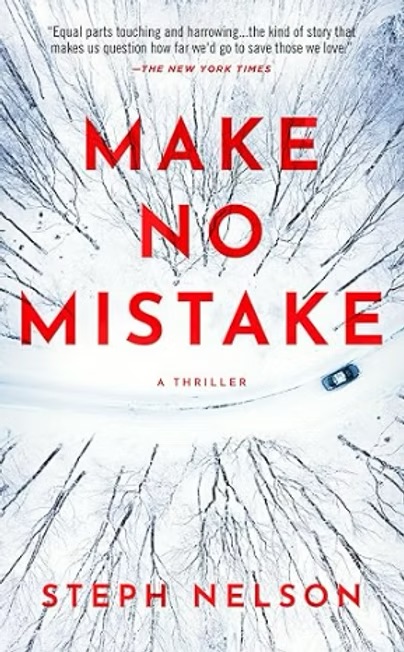
Yeah, so I think that thriller and horror are very similar. I think they’re definitely like cousins. There’s different tropes, of course. So, like, learning the different tropes that readers like. Also, when you’re approaching a thriller, I think you shouldn’t have supernatural and speculative. Some people do it. Like, I’m watching John Martin, Mars going, “How is he doing this? He’s writing these books, like, that have speculative stuff and thriller readers love it.” So, um, my book Make No Mistake has a tiny speculative element, but it’s been a hard sell, like, for readers to, like, get on board with it. Um, so, uh, that to me is kind of the difference is knowing the different tropes that readers really love and, um, also knowing what to kind of leave behind in the horror world and what to embrace. And of course, nothing too gory. I don’t really write gory horror anyway.
[00:19:38.100] – Alan Petersen
Yeah, there’s some wild stuff on that, in that subgenre of horror.
[00:19:41.350] – Steph Nelson
That’s— oh yeah, yeah, it’s very fast.
[00:19:44.830] – Alan Petersen
Yeah, I, I found out about splatterpunk. Yeah, whoa, that’s it.
[00:19:49.430] – Steph Nelson
Yeah, and some of that’s great. Like CJ Lee— I know it’s not a horror podcast, but CJ Lee, some people have some really good— like, I, I don’t mind that, but it’s just, it’s not what I write, you know. And, um, yeah, so, uh, are you sticking with the thrillers now?
[00:20:01.650] – Alan Petersen
Do you ever think you’re gonna do—
[00:20:02.530] – Steph Nelson
go back to horrors or Thrillers for the foreseeable future. Yes. I think I probably— I may bounce around a little bit, like develop a pen name, but I don’t think I’ll stop writing thrillers to do that.
[00:20:13.340] – Alan Petersen
When you’re writing your book, you’re doing your own thing and stuff, but you need to— do you think about what the reader wants? Like, how do you balance that? Especially if your way of writing is different because you listen to a lot of your inner voice.
[00:20:27.380] – Steph Nelson
Yeah, I do try to focus a lot on what readers want. I think maybe too much. So that’s something that I’m trying to like balance, like, um, figuring out the line between like what I love writing and what I think thriller readers want to read. Um, I think I’m getting there, but it’s definitely been like— I feel like these books that I’ve written have been like my kind of training ground to figure that out. And I’ve been just so appreciative for like— to like all the readers who have read my stuff and given feedback, even in reviews and stuff. Like, it’s so helpful to know like what people love and what like don’t want to see as much of. So I try to lean more on like what I think readers want and then what, like, let’s say what I want, because I’m— I feel like I’m creating a project for somebody else in a lot of ways, you know, with my books. It’s not really like an artistic— it is an artistic expression, but it’s not for me. It’s for everyone.
[00:21:27.680] – Alan Petersen
So yeah, I was reading when I was looking at your analysis in Don’t Ask Why, you mentioned your booktalkers and Instagrammers. So can you tell us a little bit about that? Because that’s something for me, it’s been hard for me to like open up, you know, the social media. Was that— can you tell us a little about that?
[00:21:43.860] – Steph Nelson
Yeah, um, let’s see. I don’t know, it just, uh, Instagram is kind of like where I like interact the most and where I’ve made the most bookish friends. But my books have done really well on TikTok too, so I have gotten on there and tried to like engage a little more over there. Um, I think it’s— I think as authors, it’s— I enjoy just like getting in and having conversations with, um, like book influencers and like on just a personal level, even over like if they share my thing, I might like send them a quick message and say, hey, thanks so much for reading that, like trying to be a little more personable, um, than maybe would be natural for me because I, I am so appreciative. But also that builds a relationship, I think, too. Then they remember your, you, your next book, they get excited, it’s on NetGalley, and then Yeah, so I, it kind of just snowballs, I found. But I’ve been very, very fortunate in just having some, so many amazing influencers pick up my book and like, and actually like it. Like, it’s been amazing.
[00:22:42.400] – Alan Petersen
Looking ahead, what kind of stories or themes are you excited to explore next?
[00:22:46.260] – Steph Nelson
Let’s see. I have, I’m working on one right now that I’m excited about. It’s going to be, it’s going to feel like a domestic, but it’s not going to be a domestic. So, and that one’s still pretty early, so I’m not sure like how it will all, and I know where it wants to go, but I don’t know how to get it there yet. But it’s going to be a little darker than— like, Don’t Ask Why was pretty light, like a beach read. I wanted something that I could give to— like, when people say, like, my teenage daughter wants to read, I’m like, I’m not going to tell them to read my— some of my books have spice in them. I’m like, I just wanted something I could recommend, like, seamlessly. Like, this one’s safe. But that was fun. And now I’m going to go back to writing dark thrillers.
[00:23:29.290] – Alan Petersen
Yeah. And what’s the process from the time, when you get the idea, then you start writing these and they’re, it’s ready to, uh, what’s the, how long does that usually take, take you?
[00:23:37.910] – Steph Nelson
It’s about, um, I mean, from idea to like publication day, it’s about 9 months to a year. Okay. Um, yeah.
[00:23:46.250] – Alan Petersen
Yeah. So that’s what, that’s your pace now. I’m sorry, was that?
[00:23:49.010] – Steph Nelson
Well, I just said it’d be nice if I could get it shorter and do more, but you know. Yeah.
[00:23:53.910] – Alan Petersen
Yeah. Well, it’s like you had a good clip, right? You’ve been publishing one, one a year since you started, so yeah.
[00:23:57.910] – Steph Nelson
Yeah. Yeah.
[00:23:58.340] – Alan Petersen
Yeah. What’s your process like with, uh, once you’re done, once you’re finished, do you have like a team then that you send this to? And, and do you have, do you use beta readers? Because I’m kind of curious about that.
[00:24:07.440] – Steph Nelson
Yeah, so we, I have, I’m super lucky to have a nice like tiny little author community of about 3 other thriller authors, and we’re all kind of like doing the same sort of indie publishing approach. And, um, we read each other’s stuff and in the beta, at the beta level, and give feedback. Um, I hire a couple editors, and I also have a couple Bookstagrammers that are beta readers too that I I send it out to before it goes out.
[00:24:32.320] – Alan Petersen
Yeah, that’s great. That’s always, always helps over the community. I’m the same way. I got a local couple local friends here that, yeah. So it always helps.
[00:24:40.180] – Steph Nelson
Yeah, it is because it’s such, I mean, so many writers say it’s such a, it is a solitary thing, but when you have, I mean, we’re in, we have a text chat like that. We talk to each other. It feels like having coworkers kind of, and that’s been, um, really supportive.
[00:24:52.640] – Alan Petersen
I always ask my guests too, before I let them go, is, uh, because I do have aspiring writers that listen to this and you have such a unique background. So like, what advice do you have for someone who’s thinking about writing a thriller and they’re just starting out, they have no idea if they can do it.
[00:25:06.660] – Steph Nelson
Yeah, let’s see. So if you’re just starting out, I think it’s never too soon to know why you want to publish a book. I hear a lot, like on your show, a lot of people say, which is such good advice, like writing craft advice, how many words a day. Yes, do all of that. But I would take it like, I would want to fast forward a step and talk about the publishing step and say there’s a lot of ways up the mountain. Like we hear that, um, the publishing mountain. But I would say say know why you want to be on the path you’re on and know that path well, because I just think there’s so much— um, they’re all great and good, but there’s so much to be learned just from even putting one or two books out as an indie. Like, you learn the publishing process, you’re better in a better position to then maybe query an agent, find— like, Big Five honestly will reach out to you if you are successful. And I just, um, I just would say— and I’m— maybe it’s a hot take, so I know I might change my mind, nobody come for me— but I would say Um, don’t wait years to querying agents.
[00:26:05.350] – Steph Nelson
Get your book out there. Like, get a couple books out there and you can query agents later. Like, there’s no magical debut thing. Like, don’t worry about that. Just get your books out there, get them in the hands of readers, start making some money, and, um, then decide if you actually want to partner with Big Five. I mean, that, that would be my advice.
[00:26:22.190] – Alan Petersen
No, I think that’s good advice too. And, you know, and I’ve interviewed a lot of indies and traditionals, and even the traditional people, they have to do a lot of the marketing themselves. Oh yeah. Unless you’re a huge name, and that’s very rare nowadays.
[00:26:35.140] – Steph Nelson
Yeah, that doesn’t— I think those days are gone. I think we have to say, like, there’s no Ernest Hemingway sitting in his cabin writing a book. Like, I mean, unless you’re— it’s probably Stephen King. I mean, like, but like, if you’re starting out, that’s not the world we’re in. And I mean, my audiobooks are with Simon Schuster, and I have to still, like, push them, you know? I still have to market them. Like, so yes, if I think having— that’s maybe my overarching advice for aspiring writers would be have your own back. Nobody has your back like you do. And whatever that looks like for you, maybe it looks like querying agents, but just know that like you need to have your own back and you will be successful.
[00:27:10.030] – Alan Petersen
Yeah, I love, I love how you said that too. Even if you do want to query, do it, but just give yourself like 3 months or something and then—
[00:27:17.550] – Steph Nelson
Yeah, yes. I hear people like, I queried for years. It’s like, oh baby, just get your book out there.
[00:27:23.410] – Alan Petersen
Yeah, yeah, that’s great advice. Yeah. Um, okay, Seth, Steph, so where, uh, where can listeners find you online?
[00:27:28.290] – Steph Nelson
Well, my website is stephnelsonauthor.com. Um, I’m on Instagram also as Steph Nelson Author, and TikTok is Steph Nelson Author. That’s probably the main— Instagram is where I’m most active. So yeah.
[00:27:40.570] – Alan Petersen
All right, Steph. All right, thank you. I’ve been, I’ve been reading Don’t Ask Why, so I highly recommend it to the listeners. So yeah, so thanks for being on the podcast. Real nice talking to you.
[00:27:48.870] – Steph Nelson
Thank you.
[00:27:54.750] – Voice Over
Thanks for listening to Meet the Thriller Author, hosted by Alan Petersen. If you enjoyed this episode, be sure to subscribe and leave a review on your favorite podcast platform. It helps other thriller fans discover the show. You can find all past episodes, show notes, and author interviews at thrillerauthors.com, including conversations with icons like Dean Koontz, Freida McFadden, and Lee Child. And if you’re looking for your next gripping read, check out Allen’s own psychological thrillers and crime fiction novels at thrillingreads.com/books. Until next time, stay safe, keep reading, and keep the thrills coming.